M3
A one-week program that brings senior cybersecurity professionals into AI safety.
Visit M3 ↗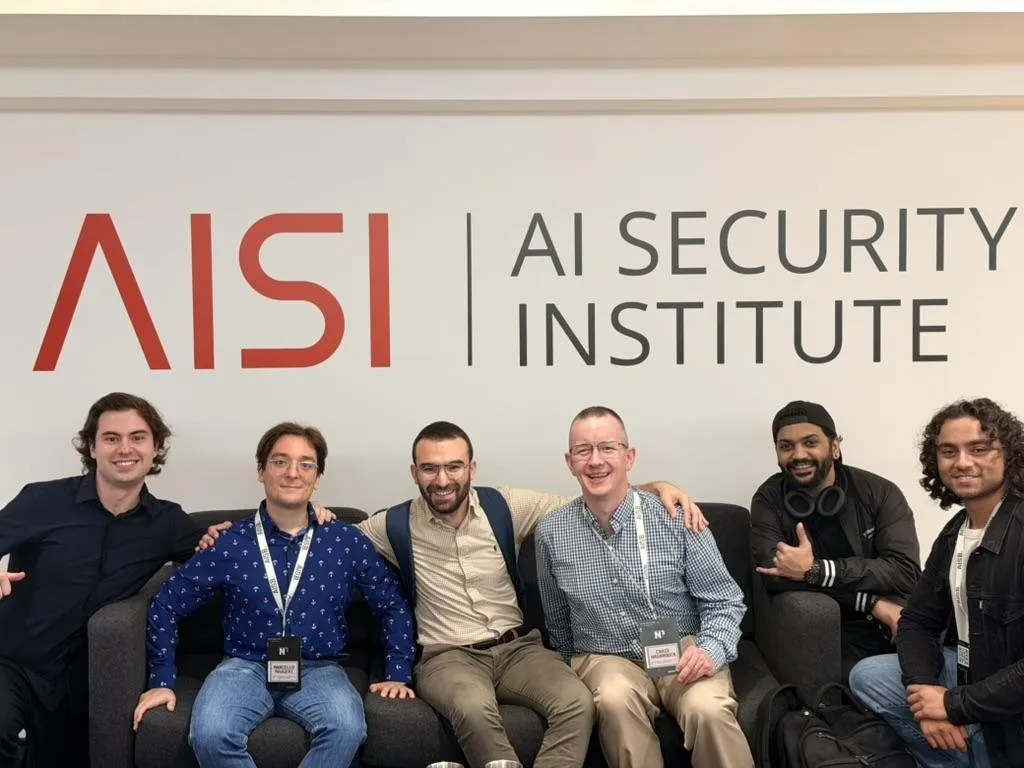
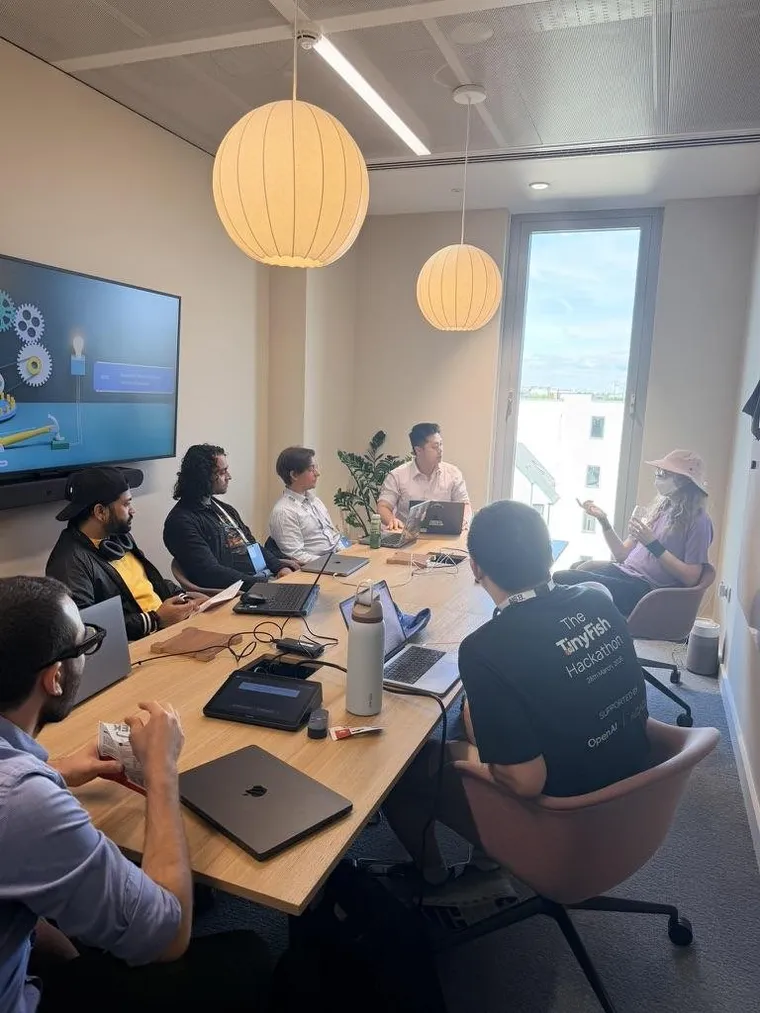
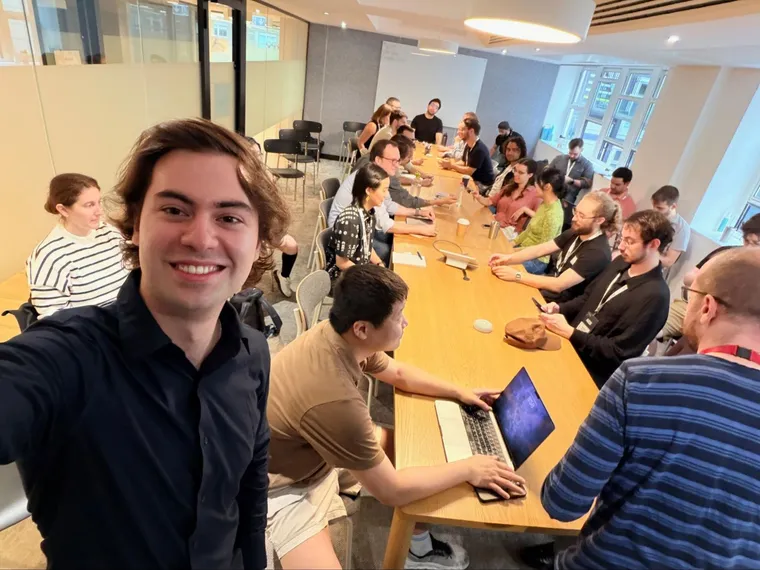
During the Generator Residency I built M3, a fellowship that brings senior cybersecurity professionals into AI safety. We ran the first cohort in London in September 2026 alongside AISB (the AI Security Bootcamp). The format was one in-person week at the Gov.AI offices with talks, guests, peer red-teaming sessions and self-directed working time, followed by a month of remote building (salary-matched at 10 hours a week) with weekly accountability meetings and a demo day, and the option to extend for up to three funded months.
When I started Generator and was evaluating which project to pursue, I chose AI security because it looked neglected relative to what my fellow residents and people at Constellation were focusing on. One of my main open questions while scoping the project was whether there was actually space for these people in the field. It was a somewhat risky bet, and I ran with the assumption that demand for cyber expertise would grow over time. Since then that demand has become unprecedented. The SL5 Task Force, UK AISI, Apollo Research, METR, Redwood Research and new orgs like Salvo Research are all hiring for cyber talent. The main bottleneck is very capable people with safety context, and M3 solves for both.
The first cohort went much better than expected. Six out of seven fellows rated the program a 9/10 or above, and fellows' self-reported understanding of the field rose from 3.14/5 to 4.57/5 over the in-person week. Before M3, no fellow was working on anything AI safety related. Two weeks after the in-person week, one fellow had joined METR as an advisor, one was contracting for Kairos to help secure and scale Talent Commons, three were founding new organizations (two of them drafting grant proposals for a critical infrastructure research organization), three were doing self-directed technical safety research aimed at public artifacts and publications, and one was writing a policy explainer on catastrophic risk from cyber AI that has gone to FDD, Heron and a group helping draft the US executive order on AI.
We are now raising for a second edition in the Bay Area in January 2027, roughly three times larger at 20 fellows, with a coordinated outreach campaign starting two to three months ahead and a proper selection funnel of two interviews and a take-home exercise.
Built during the Generator Residency by Fernando Smith.